What Is Toxic Positivity? When Positivity Becomes Harmful for Gen Z
Published 2026-04-25

✨ Quiz
Devil Wears Prada 2
"Come on, don’t be sad! Just think positive, everything will be fine!" Sound familiar? For sure! Back in the day, I fell into a deep hole where everything around me felt super gray. Friends and family kept saying I had to "stay positive." I tried hard, forced a smile, acted like I was totally fine when inside I just wanted to be alone and "sulk." Eventually, I realized that trying to force positivity was actually draining me way more. That was when I came face to face with what’s called toxic positivity.
What Is Toxic Positivity, Gen Z?
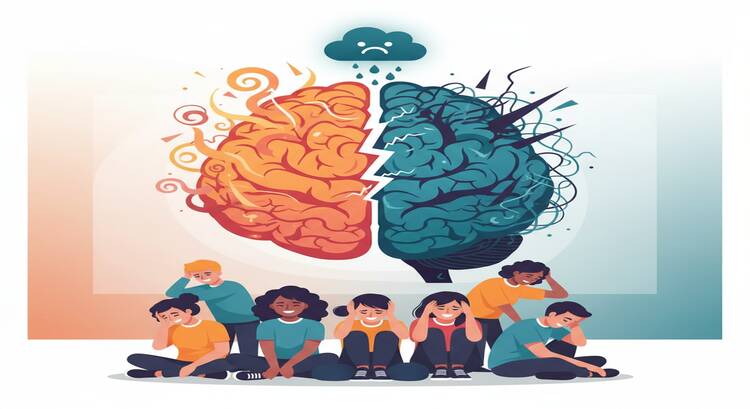
It’s like this: instead of being allowed to feel sad or disappointed, we’re pressured to "look on the bright side," "keep pushing," or something like "what’s there to stress about!" It feels like our sadness and worries are just brushed aside, not even acknowledged. Toxic positivity isn’t about choosing to live positively; it’s about someone (or yourself) forcing you to always be happy, even when your insides are "pitch black" and you wanna "tap out."
To put it simply, it’s when people dismiss or downplay your negative emotions and force a fake "positive vibe." This is super dangerous for our mental health.
Signs Toxic Positivity Is Creeping Up on Gen Z
This dark side of positivity is sneaky, and sometimes you don’t even realize you’re caught up in it. Here are some signs that you're dealing with "harmful positivity":
- Your feelings are dismissed: When you share your sadness or worries, and you get responses like "Come on, it’s not a big deal," "Don’t think negatively," or "You should feel lucky because...".
- Pressure to "slay" all the time: Feeling like you always have to post happy pics or inspiring stories on social media, even when you’re actually "failing" and want to "cap" it all.
- Hiding your pain: Always pretending you're okay and strong, not letting yourself feel vulnerable because you’re scared of being seen as weak or "dramatic."
- Guilt for not being happy: Feeling bad when you’re down or anxious, thinking you’re "ruining the vibe" or not strong enough.
Why Is Toxic Positivity Bad for Our Mental Health?
When sadness and disappointment aren’t acknowledged or accepted, they don’t just disappear; they get bottled up inside. Over time, this can lead to serious consequences for our mental health:
- Feeling isolated: You might feel misunderstood and unable to share your true feelings with anyone. "Every flower blooms differently," but if everyone only wants to hear the positive stuff, who can you confide in?
- Self-criticism: You might start thinking there’s something "wrong" with you for not being able to "chill" and be happy like everyone else. This can easily lead to insecurity and anxiety.
- Difficulty facing issues: When we keep denying negative feelings, we struggle to learn how to confront and resolve the root of our problems. It’s like we’re "delaying" fixing a crack that needs repair.
How to "Slay" Coping with Toxic Positivity to Protect Yourself
Dealing with harmful positivity isn’t easy, but it’s totally doable. Here are some tips I wanna share with you:
- Accept your true feelings: The first and most important step is to allow yourself to be sad, angry, or disappointed. All emotions are part of being human. Just be real with yourself.
- Set boundaries: If someone keeps pushing you to be positive, gently tell them you need to be heard more than you need some empty "positive energy." "I appreciate your good intentions, but right now I just wanna share."
- Seek appropriate support: Look for friends or family who actually listen and understand without judgment. Or if you need to, don’t hesitate to reach out to mental health professionals.
- Try to understand yourself better: Sometimes, you need a tool to "scan" where your emotions are at, what’s really going on inside. Simple personality or psychological quizzes could help you understand how you react to the world, like trying a "NA" test on movui.vn – sometimes understanding yourself can ease the "sulk" a bit.
Remember, positivity is great, but it’s not a magic cure-all or a shield to hide all problems. Healthy positivity is when you face all your emotions, even the uncomfortable ones, and from there, figure out how to rise above. Have you ever been in situations related to toxic positivity? Share your stories with me!