What Is Toxic Positivity? When "Positivity" Becomes a Mental Health Burden for Gen Z
Published 2026-04-26

✨ Quiz
DWP2: Public Face vs Private Truth (16 Combos)
What Is Toxic Positivity? When "Positivity" Becomes a Mental Health Burden for Gen Z
Imagine this: you're super stressed about a looming deadline, you failed a class, or maybe you just broke up with your three-year crush. Out of nowhere, your bestie runs over and pats you on the back saying, "Come on, stay positive! Everything will be okay!" Or your online friends keep sharing captions like, "Just chill, life's not always fun," and "Keep smiling, good things will come." Sounds positive, right? But why do you feel... lowkey annoyed and a bit hurt? It’s like your sadness is being brushed off, and you even feel guilty for not being as happy as everyone else. Yup, that "positive" vibe we're talking about is what Gen Z calls "toxic positivity." It's becoming a major mental health burden for us.
What Is Toxic Positivity Anyway?
As the name suggests, toxic positivity is a form of positivity that's been "poisoned." It's not about encouraging us to be happy or optimistic. Instead, it takes things too far by completely denying negative emotions like sadness, anger, disappointment, or anxiety. It’s all about "looking on the bright side," "everything will be fine," no matter what problems you're facing.
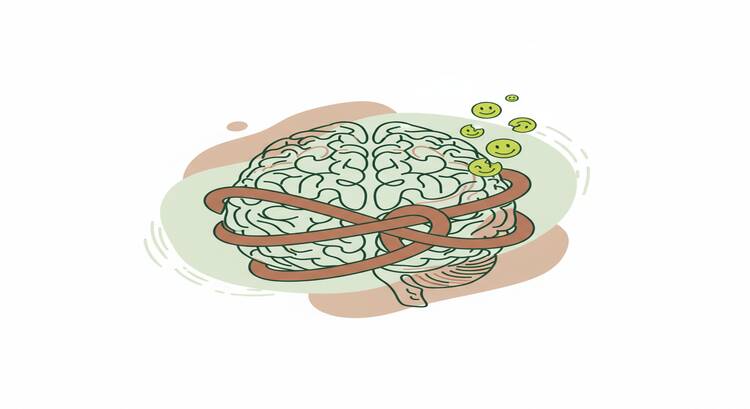
This means instead of allowing ourselves to feel sad naturally, toxic positivity forces us to pretend we're happy, to "vibe" positive even when we're going through a storm inside. This can lead to our true feelings being suppressed, not being validated, and over time, they just simmer below the surface, causing harm.
When "Super Positivity" Turns Into "Super Pressure" for Gen Z
Us Gen Z folks grew up in a social media explosion, where everyone wants to flex their "slay" life and show off how perfect everything is. Fancy check-in pics, success stories, and captions like "always smiling through the struggle" flood our feeds. This creates a massive pressure, making us feel like we have to be positive and cheerful all the time to be "normal."
If we're sad, anxious, or scared, it's like we’ve "lost." We start to doubt ourselves, feeling guilty for having negative emotions. And whatever gets repressed will blow up eventually, right? Over time, these feelings can lead to serious stress, anxiety, depression, or even make it harder for us to deal with and solve our own problems.
Spotting the "Toxic Vibe": What Signs Show You're Dealing with Toxic Positivity?
So how do you know if you're caught up in this "toxic vibe"? Check out these signs:
-
You're Affected:
- When you share your sadness or struggles, you often get responses like: "What's there to be sad about?" "Why be scared, just stay positive!" "Hang in there, it'll pass!"
- You feel guilty or even ashamed for having negative feelings.
- You pressure yourself to pretend to be happy and positive even when you don't wanna.
- You feel like your feelings are ignored or dismissed.
-
You Might Be Unintentionally Spreading Toxic Positivity:
- You often use generic phrases like "just think positive," "everything will be fine," instead of listening to your friends.
- You find yourself trying to instantly turn someone else's negative feelings into positives.
- You might say things like "there are people who are worse off than you," to compare and downplay someone else's pain.
Chill Out, Gen Z: How to Deal with Toxic Positivity!
Don’t worry, even though it sounds "toxic," we can totally cope with toxic positivity. The key is to know how to "chill" and protect our mental health.
For Yourself:
- Accept All Emotions: Sadness, anger, disappointment, fear... all are part of life. Don’t try to avoid them. Allow yourself to feel and face them as honestly as you can.
- Seek Empathy, Not Advice: Look for friends who truly listen without judgment, who aren’t trying to "fix" you. Sometimes just a hug or a "I understand" is more soothing than a thousand "keep going" statements.
- Set Personal Boundaries: If someone keeps flooding you with "toxic positivity," gently let them know you need to feel your emotions fully. You can say, "I know you mean well, but I just wanna feel sad for a bit."
For Friends and Those Around You:
- Learn to Listen Actively: Instead of rushing to give advice, ask, "Do you want to share?" or "How can I help right now?" Sometimes just being there and listening genuinely is worth more than any cliché advice.
- Empathize Instead of Denying: Instead of saying "don’t be sad," try saying "I get how you feel right now," or "What’s happening is really tough."
- Encourage Professional Help: If you notice your friends are really struggling, don’t hesitate to suggest they seek out a mental health professional. That’s the most loving and effective way to help.
If you're still wondering what toxic positivity is and whether you're dealing with it, or you want to better understand how you face your emotions, try taking a little quiz on movui.vn to learn more about yourself.
This world is already tough enough, so don’t add extra pressure on yourself by feeling like you have to be "positively" fake all the time, Gen Z. Just be your true self, accept all the feels, and seek genuine support. Because real emotions are the key to being truly strong and happy. What do you think about toxic positivity? Have you ever found yourself in this situation? Tell me all about it!