2016 vs 2026: Have You Become the Person You Wanted 10 Years Ago?
Published 2026-05-10
✨ Quiz
Conflict Style
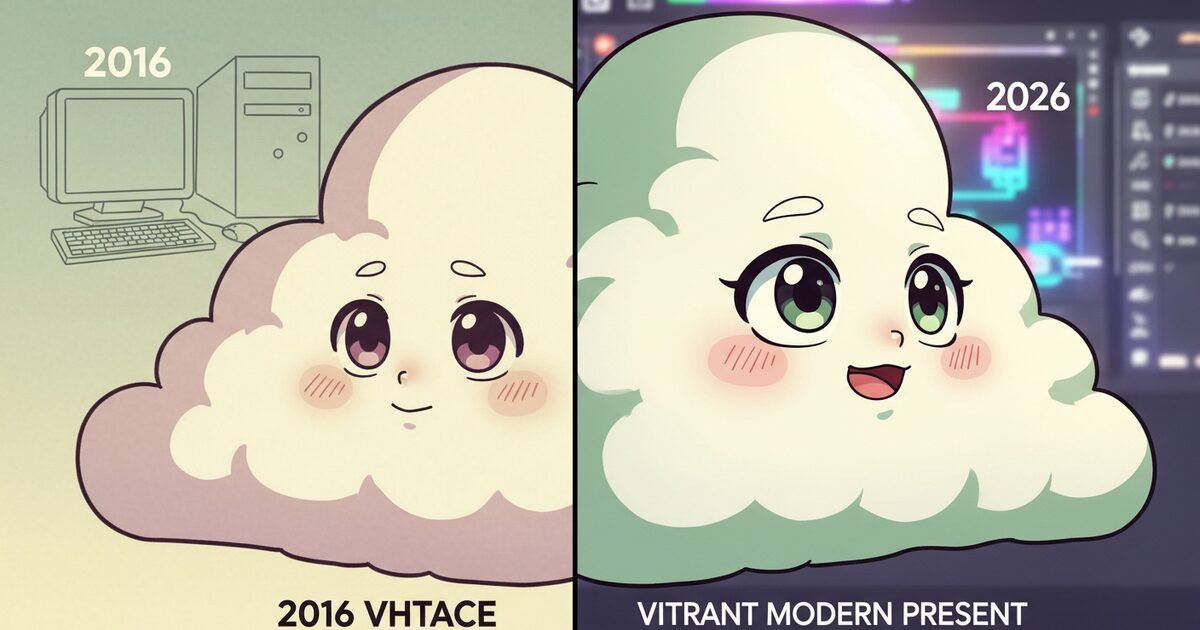
Have you seen the #2016 trend taking over TikTok? Over 1.7 million posts on the same theme: look at a photo from 2016, compare to now, and ask — how have I changed?
But unlike most glow-up trends, this one cuts way deeper. The question isn't "am I prettier?" — it's "have I become the person 2016 me wanted to become?"
And the answer isn't always easy to hear.
2016 — Who Were We?
In 2016, if you were 18-28 (so Gen Z or late Millennial), where were you?
- A lot of us were in high school or college, full of plans and expectations
- "Someday I will..." was a constant sentence
- Instagram filters felt new, TikTok didn't exist yet, and Threads hadn't even been born
- The world looked like it had more possibilities, or at least we thought it did
What did 2016 you want? What kind of job, where you'd live, who you'd love, who you'd become?
And in 2026 — Where Are We?
Real talk: not everyone becomes the version 16-20 year-old them imagined.
And that's not necessarily bad.
Some people EXCEED their old expectations. Some people went down a totally different path — and it turned out that path was better for them. Some people feel like they haven't gotten there yet and they're carrying a sense of falling behind.
The #2016 trend is surfacing three very different psychological responses.
3 Types of People in the #2016 Trend
Group 1: Quietly Proud Looking at 2016 photos, they realized they've gone further than they thought. Not in a "look how amazing I am" way — more like "wow, that kid worried about so many things, and now I'm doing so much better." Growth isn't always dramatic — sometimes it's just no longer being triggered by things that crushed you a decade ago.
Group 2: Reassessing Goals "I used to think I'd have X by 25. Now I'm 25, X didn't happen — and honestly... I'm not even sure X is still what I want." This is the group realizing the goals of "16-year-old me" don't have to be the goals of "me now." Updating your goals isn't failure.
Group 3: Feeling Frozen While the World Sprints Looking at 2016 then looking at now — feeling like you didn't move forward fast enough. This group is often comparing themselves to other people's highlight reels, which is toxic. But the feeling is very real.
A Better Question Than "Did You Become Who You Wanted?"
Instead of "have I become who I wanted?" — there's a better question:
"Is the version of me in 2026 someone I actively chose to become, or someone I became by default?"
Those are very different things. Growth is active, not passive. You don't need to be the version 2016 you imagined. But you should be the now version that you're actively choosing.
Why This Trend Matters
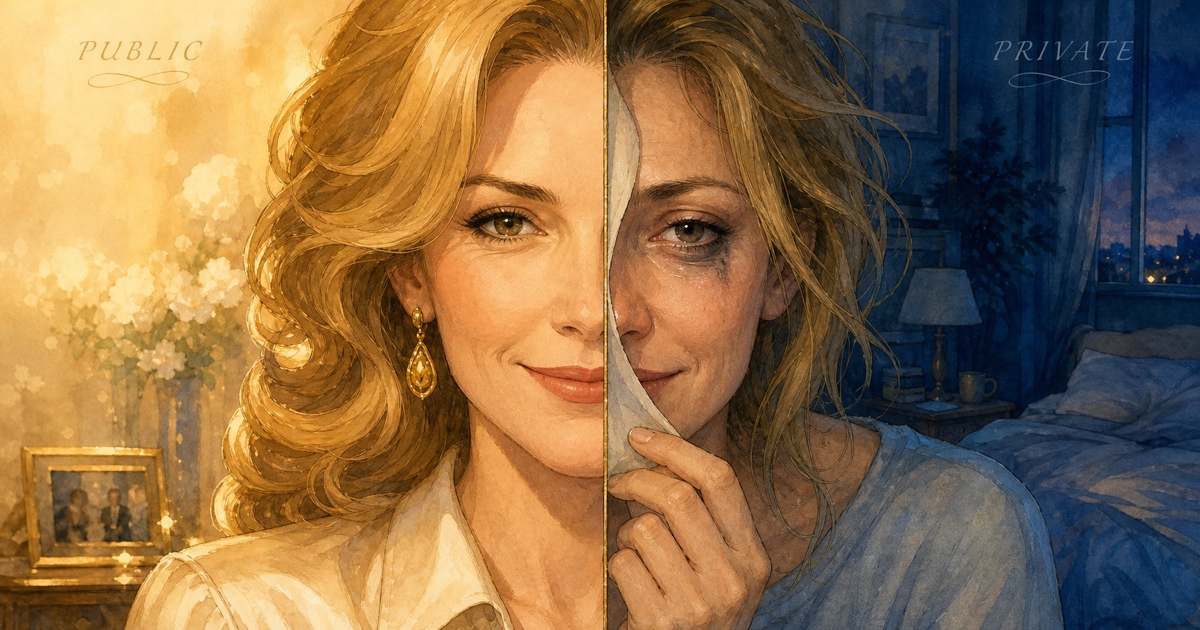
Because it forces us to pause and look inward — something busy daily life doesn't really allow. Not to guilt-trip ourselves. Not to compare to others.
But to recognize: 10 years passed. 10 more are ahead. How do I want to use them?
If You Look at 2016 and See a Gap...
That gap isn't evidence of failure. It's evidence of reality — that life isn't linear, that changing goals is normal, that "not yet" doesn't mean "never."
2016 you was sure about one thing: they didn't know what you know now. And that's 2026 you's advantage.
What "era" are you in on your journey? Try the lifestyle quiz on the site.