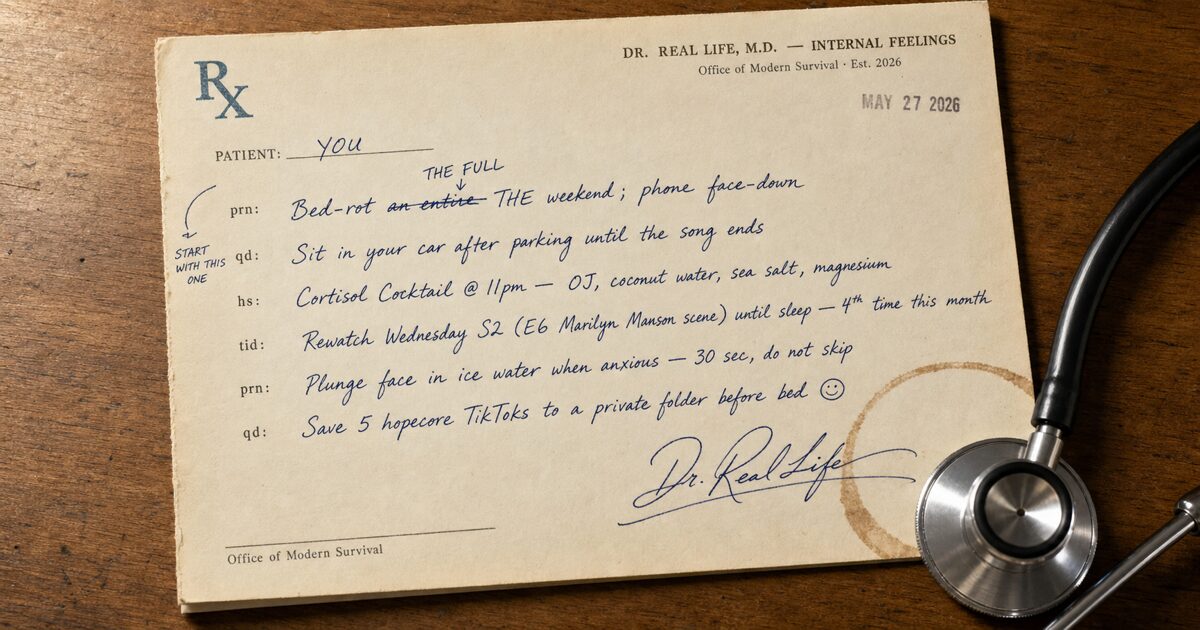
Quiet Quitting Explained: The Gen Z Psychology Behind Doing the Bare Minimum
Published 2026-05-03

✨ Quiz
DWP2: Public Face vs Private Truth (16 Combos)
Have you ever seen a friend — or honestly, yourself — come home from work completely empty? Like you didn't want to quit, but you also had zero energy left to do anything beyond what your paycheck literally pays for? You walk in, lie on the couch, and your brain refuses to think about work for one more second.
That's the vibe of "quiet quitting." It's all over Gen Z feeds, and depending on how you look at it, it's either a healthy boundary or a quiet protest. Honestly, it's both. Here's what's actually going on.
What quiet quitting really means
Quiet quitting isn't laziness or hiding from work. It's setting a clean line around what you're paid for and refusing to go past it. You do your job. You do it well. And when the clock hits the end of your shift, you're done. No unpaid overtime, no answering emails at 11pm, no killing yourself to impress someone who isn't even watching.
It's not about working less than you should. It's about working exactly what you should — and then having a life.
Why Gen Z is leaning into this
Work pressure has gotten genuinely heavier. Deadlines stack on top of each other. Managers expect more for less. Social media constantly shows you peers "flexing" their wins, and suddenly you're caught in a spiral of "I should be doing more too" until you completely burn out without realizing it.
A lot of workplace cultures got toxic too. The old idea that you prove your loyalty through unpaid hours is dying because Gen Z noticed something important — those hours rarely lead to the promotion or recognition that was promised. So why give them away for free?
Gen Z also grew up with a heavier awareness of mental health than the generations before. We watched our parents burn out for jobs that didn't love them back. We're not signing up for the same trade.
Is quiet quitting actually a healthy choice?
The honest answer is: it depends.
On the plus side, quiet quitting can save your mental health. It gives you space to breathe, work on yourself, and remember that you're a whole person outside of your title. For people on the edge of burnout, it's a real reset.
The flip side is that doing only the minimum can make you feel stagnant. You might miss real growth opportunities. You might stop developing skills. And if your manager doesn't understand what you're doing, it can quietly hurt your reputation and your trajectory.
The healthiest version of quiet quitting is usually a season, not a forever lifestyle. You quiet quit while you recover. You decide later if the job is worth re-investing in — or if it's time to leave for real.
How to do this smart, not destructive
The trick is being intentional about what you're protecting. Quiet quitting works best when it's a deliberate boundary, not just disengaged drifting.
A few real moves:
- Know what you're protecting. Time for rest? Time for a side project? Mental space? Name it so you actually use the time you reclaimed.
- Keep growing on your own terms. Pick a skill, hobby, or relationship to actively invest in. Quiet quitting work doesn't have to mean quiet quitting your whole life.
- Stay honest about the job. If you're quiet quitting forever because the job is actually wrong for you, that's important data. Quiet quitting is sometimes the first sign that it's time to make a bigger move.
- Don't perform burnout for sympathy. The goal is to actually feel better, not to look exhausted online.
The bigger picture
Gen Z isn't lazy. Gen Z is calibrating. We watched the script the previous generations followed and decided we'd rather rewrite it. Quiet quitting is part of that rewriting — choosing to give the job exactly what the job paid for, and keeping the rest for ourselves.
If you're sitting with the feeling that you might be quiet quitting right now, that's worth paying attention to. It usually means something needs to change — either how you're working, or where you're working.
Want a deeper read on what your work style actually is? The personality tests on Delulu have you covered. So — what's your version of quiet quitting looking like lately?