Psychology of Defense Mechanisms: Exploring How You and Others Handle Stress
Published 2026-05-01

✨ Quiz
Which 'I Wanna Be Her' Girl Are You?
Psychology of Defense Mechanisms: Exploring How You and Others Handle Stress
Hey bestie, have you ever seen your friend just break up but they’re all smiles saying, “It’s fine, I’m good!” when lowkey they’re crying their eyes out later? Or that coworker who gets chewed out by the boss and then comes home to take it out on the doorman? And sometimes, we do it too, like when we mess up and think, “It’s not me, it’s that other person!” Those vibes are so relatable, right? That’s when our defense mechanisms kick in, fam. Understanding these can help us not just get to know ourselves better but also handle stress and "read" others better. How cool is that?
What Are Defense Mechanisms and Why Do We All Have Them?
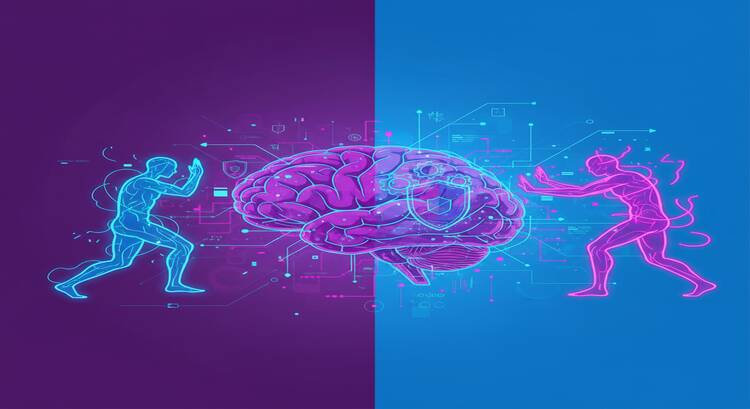
So basically, defense mechanisms are those “tricks” our brain pulls to protect us from negative feelings, discomfort, or overwhelming situations. It’s like an invisible shield that helps us keep our mental balance, even when things are going downhill. Sometimes we don’t even realize we’re doing it; it’s just our subconscious going “whoosh.”
They’re not always bad, though. Sometimes they help us get through tough times, but they can also make things super messy, even damaging our relationships. The key is recognizing them and knowing how to adjust.
Let’s Break Down Some Super Common Defense Mechanisms for Gen Z
We Gen Z folks are creative and vibing but also stressed out af. Let’s check out some defense mechanisms people tend to use:
1. Denial: "I’m good, no worries!"
This is when you're trying to refuse to face a painful reality. Like when you don’t get that dream job but insist, “Whatever, that company wasn’t even my vibe.” Or knowing that deadline is looming but acting like you forgot, just chilling on TikTok. This is super common among sensitive Water signs.
2. Projection: "They’re the toxic one, not me!"
When you have a negative feeling or thought about yourself that you can’t accept, you’ll subconsciously “blame” others. Like, if you’re feeling selfish, you might call your partner selfish instead. Or if someone criticizes your outfit, you’ll say they’re just jealous, even though they’re just being honest. This can be frustrating, but people in the situation often don’t even realize it.
3. Rationalization: "It’s whatever, it wasn’t meant to be!"
This is when you come up with reasonable (but not true) excuses to justify an action, thought, or uncomfortable situation. It sounds logical, but really, you’re avoiding the truth. Like, if your crush leaves you on read, you might tell yourself, “It’s cool, they’re just busy.” Or if you miss out on a scholarship, you say, “Whatever, studying too hard is exhausting; I’d rather work.” Sometimes, we even relate it to weird dreams and think, “Oh, the universe wants me to do something else.”
4. Displacement: "Taking it out on the wrong person"
You’re stressed because your boss yelled at you, and then you get home and see your sibling gaming too loud and explode on them. Or you argue with your partner and then go roast random people on social media. This is when you can’t face the source of your discomfort, so you lash out at someone “weaker.” That vibe is kinda messy, not gonna lie.
5. Sublimation: "Turning pain into action"
This is one of the healthiest defense mechanisms out there. Instead of letting negative feelings drown you, you transform them into positive, constructive actions. Like, after a breakup, you hit the gym to get that killer bod, or you write music or paint when you’re feeling down. Or if you’re mad about a social issue, you get involved in volunteer work. This is super dope, so definitely take notes!
6. Repression: "Just forget about it!"
Repression is a subconscious mechanism where you push painful thoughts, feelings, or memories out of your consciousness. It’s different from denial because in denial, you know the truth but refuse to accept it; repression is more like you almost forget it or intentionally “forget” to avoid facing it. Like, if you were deeply hurt as a kid but can’t remember it anymore, or you try to block out your mistakes.
Why Do We Need to "Read" These?
Understanding these defense mechanisms isn’t about judging others or being nosy. It’s actually to:
- Know Yourself Better: Recognize when you’re using a mechanism, so you can adjust your behavior and feelings, reducing stress.
- Understand Others: When you see someone reacting oddly, you might guess they’re using a defense mechanism. This helps you be more empathetic and less judgmental, improving your friendships, family relationships, and romantic ones.
- Build Quality Relationships: When you understand yourself and others, you’ll know how to communicate better, avoid misunderstandings, and hurt feelings. The vibe becomes way more chill.
How to Handle Things Like a Boss?
The first and most important step is recognition. Ask yourself: “Why did I react that way?” “What am I feeling right now?” When you’re aware, you have the chance to choose a different response instead of just letting your subconscious take over.
Next, accept your feelings. If you’re sad, feel sad. If you’re mad, feel mad. Don’t try to suppress or deny it. Allow yourself to experience those feelings, then find healthy ways to release them, like chatting with friends, journaling, going for a walk, or listening to music...
And sometimes, you also gotta learn to say “No” firmly to protect yourself from negativity, right? Just like we always suggest, knowing how to politely decline helps keep you comfy and not overwhelmed. Slayyyy!
So, have you ever noticed which “trick” you use to handle stress? What about your friends? Comment below and let me know!